
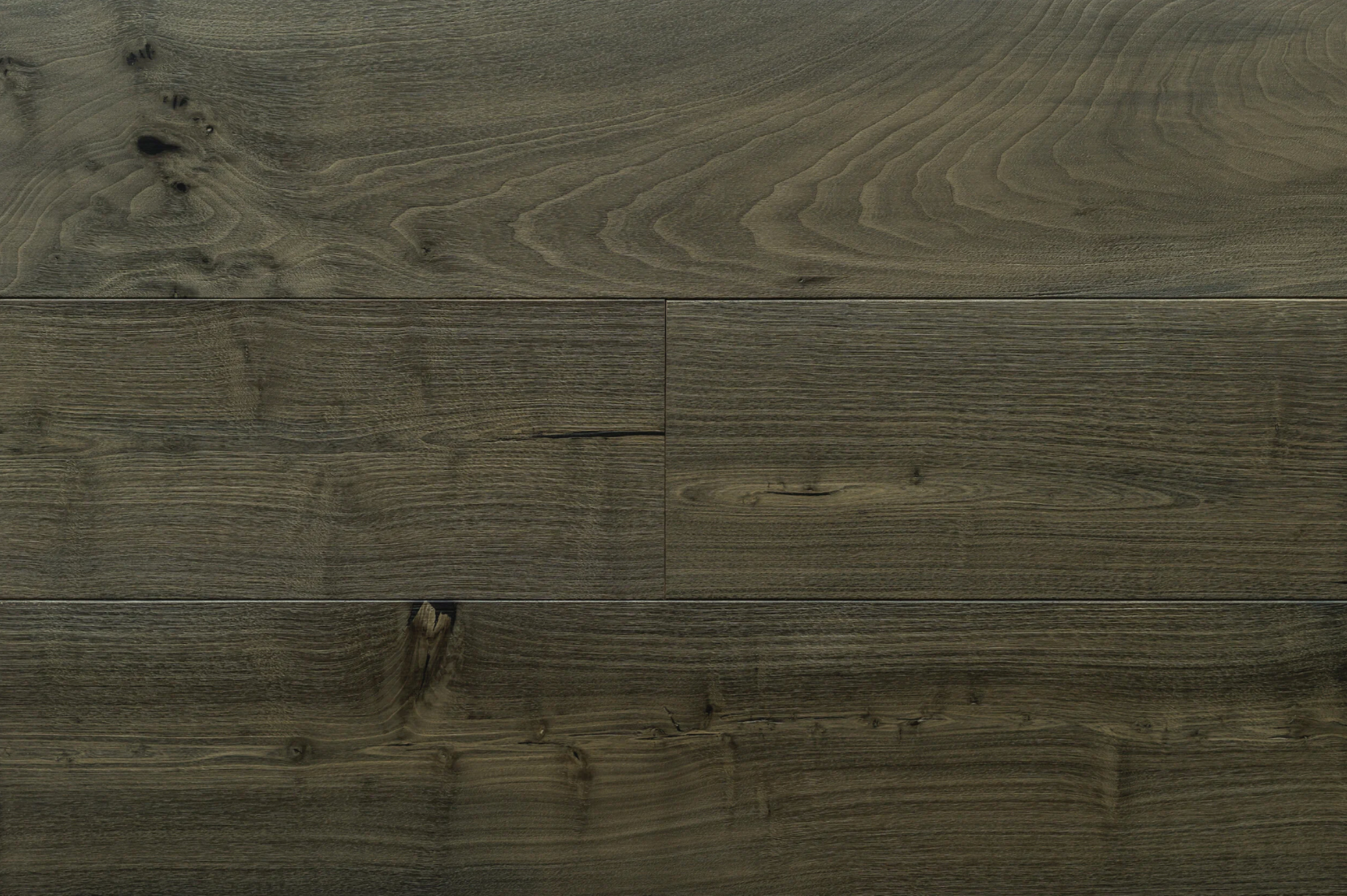
Over the years, we have supplied luxury hardwood flooring for a tremendous variety of residential projects.
One thing that experience teaches you very quickly is that purchasing beautiful hardwood is only half of the equation.
It also needs to be installed properly.
You can purchase the most beautiful Black Walnut flooring in the world, but if the site has moisture problems, the subfloor has not been properly prepared, or the installation is poorly executed, you are creating problems that could have been avoided.
Here are ten things I believe every homeowner should understand before the installation begins.
1. Make Sure the Job Site Is Ready
First of all, hardwood flooring should not simply arrive in the middle of an active construction environment without consideration of the conditions inside the building.
Plaster, concrete, paint and other construction processes can introduce substantial moisture into a property.
Natural wood reacts to its environment.
The building therefore needs to be at the appropriate stage before the flooring is installed.
2. Check the Moisture
This is extremely important.
Moisture conditions in the flooring, subfloor and building should be properly evaluated before installation.
If someone is installing an expensive hardwood floor without paying attention to moisture, I would consider that a very unnecessary gamble.
3. Understand Acclimation
You will frequently hear people say that hardwood simply needs to sit inside the house for a certain number of days.
It is not always quite that simple.
The requirements depend upon the flooring, construction, environmental conditions and installation method.
Follow the specifications for the particular floor rather than relying upon a universal rule.
4. Inspect the Subfloor
The hardwood may be the beautiful part you see when the job is finished, but the material underneath it is tremendously important.
The subfloor needs to be structurally sound, appropriately flat, clean and suitable for the installation method being used.
Fixing problems before the hardwood goes down is considerably easier than fixing them afterwards.
5. Plan the Direction of the Flooring
Do not wait until the installer has several hundred square feet on the floor before deciding whether you like the direction of the boards.
Consider the architecture first.
Where are the main entrances?
Where are the longest sight lines?
How will the flooring transition through hallways and adjoining rooms?
Where are the stairs and fireplaces?
These details make an enormous difference to the finished appearance.
6. Expect Natural Variation
Real hardwood varies.
That is not a defect.
It is one of the principal reasons for purchasing genuine hardwood in the first place.
Black Walnut flooring in particular can have beautiful differences in grain and coloration from one plank to another.
A good installer will distribute those variations naturally throughout the room rather than creating isolated areas that all look identical.
7. Understand That Wood Moves
Hardwood responds to changes in its environment.
Appropriate allowances therefore need to be considered according to the flooring and installation system being used.
The exact requirements should always follow the specifications for the particular product.
8. Use the Correct Installation Method
There is no single installation method appropriate for every hardwood floor.
Depending upon the product and subfloor, the flooring may be nailed, stapled, glued or installed using another approved system.
The correct method is the one appropriate for that particular floor and project.
9. Protect the Floor After Installation
I have seen beautiful floors installed correctly and then subjected to the remainder of a construction project without adequate protection.
That makes absolutely no sense.
If contractors are still working inside the home, the new flooring needs to be appropriately protected.
10. Use an Experienced Installer
My final recommendation is probably the simplest.
If you are spending the money to purchase beautiful luxury hardwood flooring, use someone who knows how to install it properly.
The difference in installation cost is insignificant compared with the cost and frustration involved in correcting a badly installed floor.
Beautiful French Oak or Black Walnut flooring can remain part of a home for decades.
Install it properly the first time and enjoy it.